


Ollantaytambo, Cusco
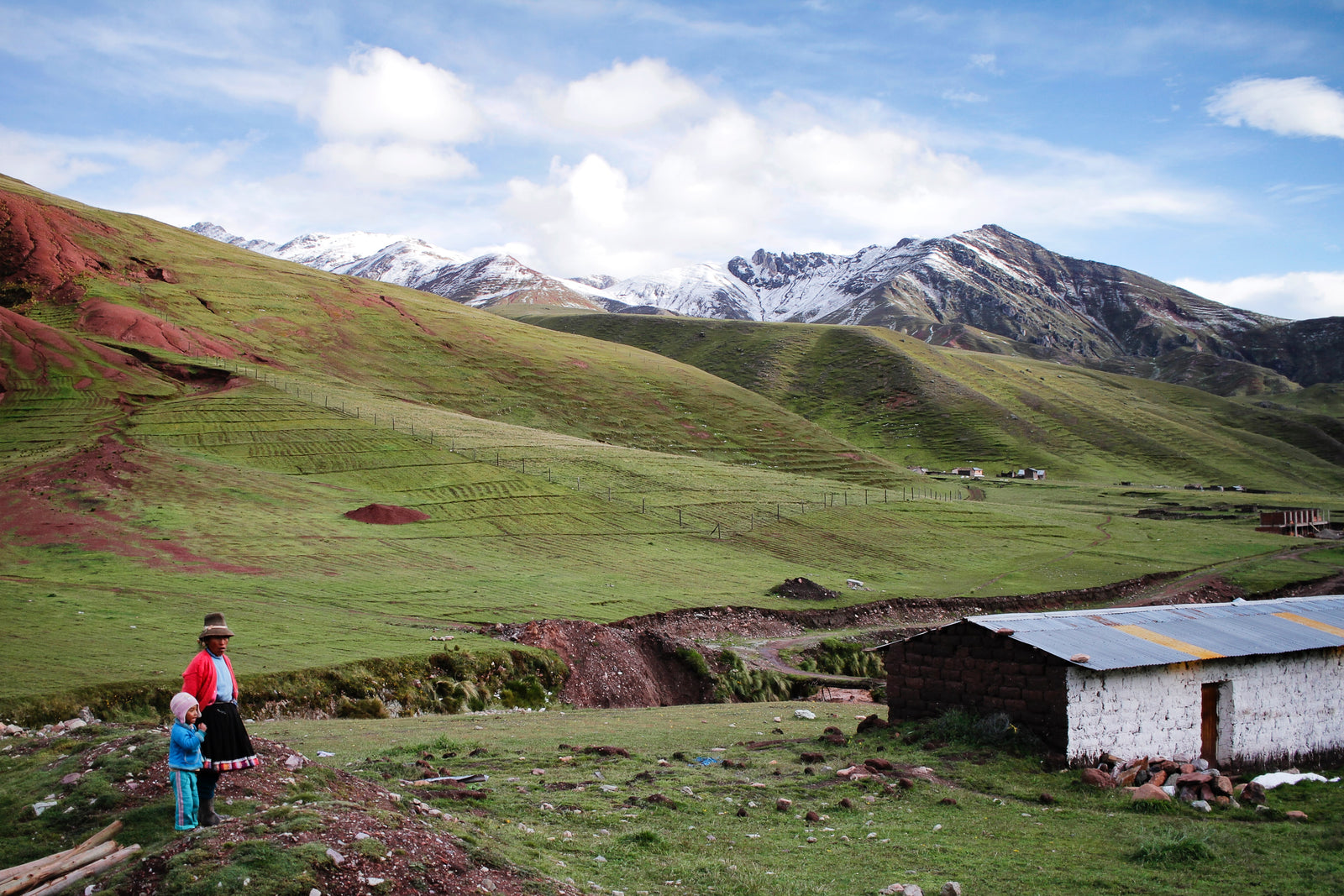
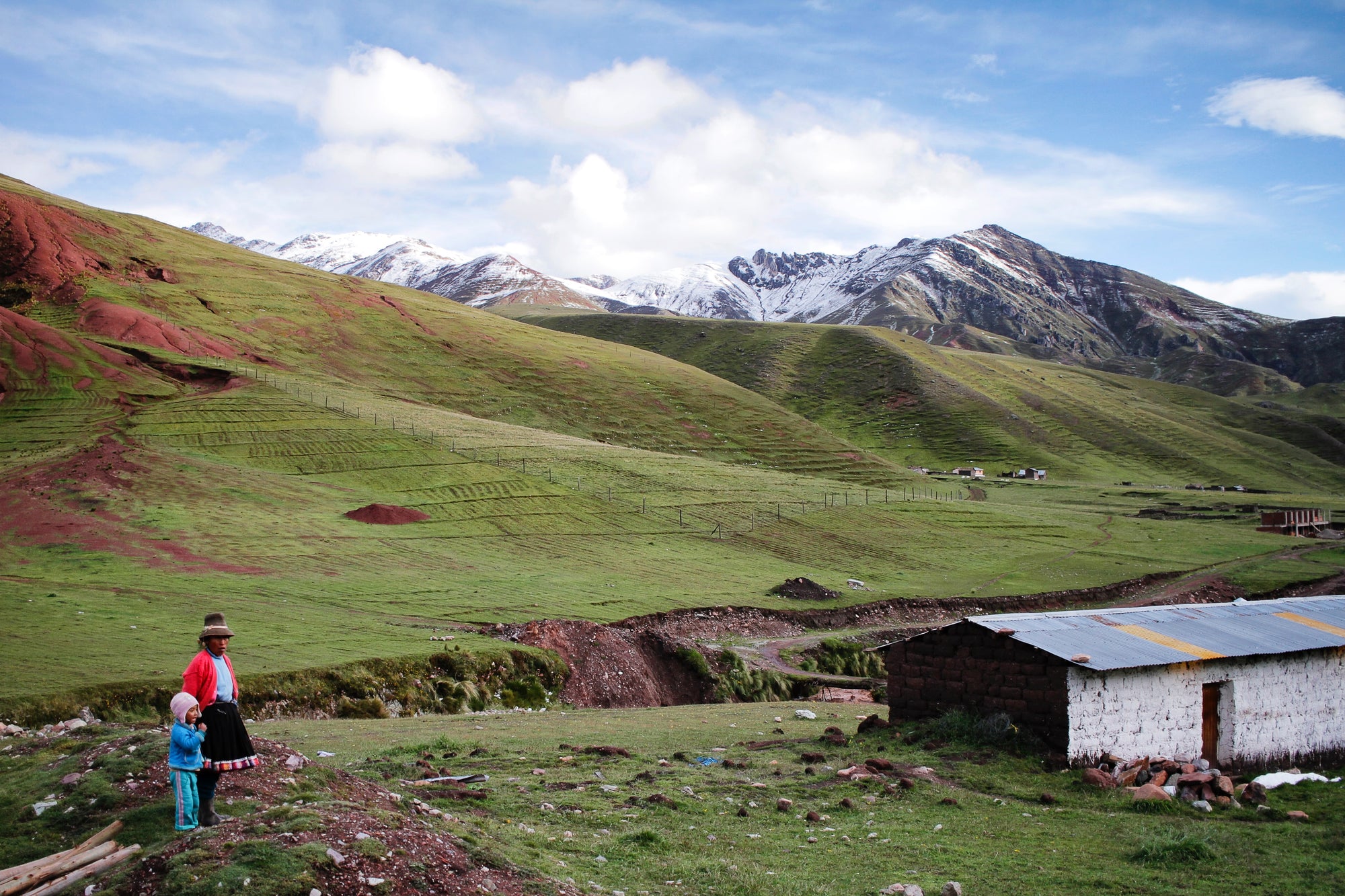
Morning light reaches the terraces above Ollantaytambo as travellers move through the narrow streets toward the train to Machu Picchu.
Most are tired — moving through tight schedules, following itineraries built around departure times. Some pause at a café near the plaza almost by accident.
Among the cafés and small shops, Latente offers something unexpected: specialty coffee served with the same attention to origin and process found in major cities.
Ollantaytambo is unusual. It is not simply a place to visit, but a town still lived in — built within original Inca walls and stone streets where daily life continues alongside history.
"That coexistence of past and present is rare," says Steven Bello, co-founder of Latente. "We wanted to build something that belonged in that space."
The café's audience reflects the valley itself — travellers, locals, guides, hospitality workers, and remote professionals passing through.
"Many visitors try Peruvian coffee here for the first time, even though they are travelling through the country where it is grown."
For many, the coffee comes as a surprise.
Travelling through Peru, most have encountered darker roasts or commercial blends. Discovering clean, traceable coffees — with fruit or floral characteristics — often shifts expectations.
"When they taste it, something changes," Bello says. "They realise Peruvian coffee can be very different from what they imagined."
At Latente, coffee is presented with context — region, altitude, varietal, process, and producer.
"For us, it begins with the relationship with the grower," Bello explains. "Understanding that allows you to serve the coffee with confidence."

Behind the counter, maintaining quality requires constant adjustment. Cusco's hard water must be treated carefully. Grinders are recalibrated throughout the day. The team holds regular tastings — less as formal training, more as a daily practice.
Operating in the Andes brings its own constraints. Equipment and supplies must be planned weeks in advance. Seasonal tourism shifts demand unpredictably.
"Distance works against us," Bello says. "Planning becomes essential."
And yet, those constraints shape the experience.
Latente has become a place where Peruvian coffee is encountered not as an export, but as part of everyday life.
"We're not trying to elevate it," Bello says. "We're trying to show it as it actually is — diverse, carefully produced, full of identity."
That distinction matters.
Not elevating.
Revealing what has been there all along.

Monotono, Roberto, Latente — three different settings, three different approaches, one shared conviction: that Peruvian coffee deserves to be understood on its own terms. But what makes that possible isn't only the cafés serving it or the baristas brewing it. It's what's happening further up the chain — on farms, within associations, and across the cooperatives organising production. Peru's coffee culture is taking shape inside the country. The systems that supply it are evolving too.
→ Read next: Reorganisation & Regional Maturity — how Peru's producers are beginning to organise