


As regions begin to organise, a different limitation emerges. Producers improve quality. Competitions create visibility. Buyers begin to pay attention. But turning that momentum into something stable requires capital.
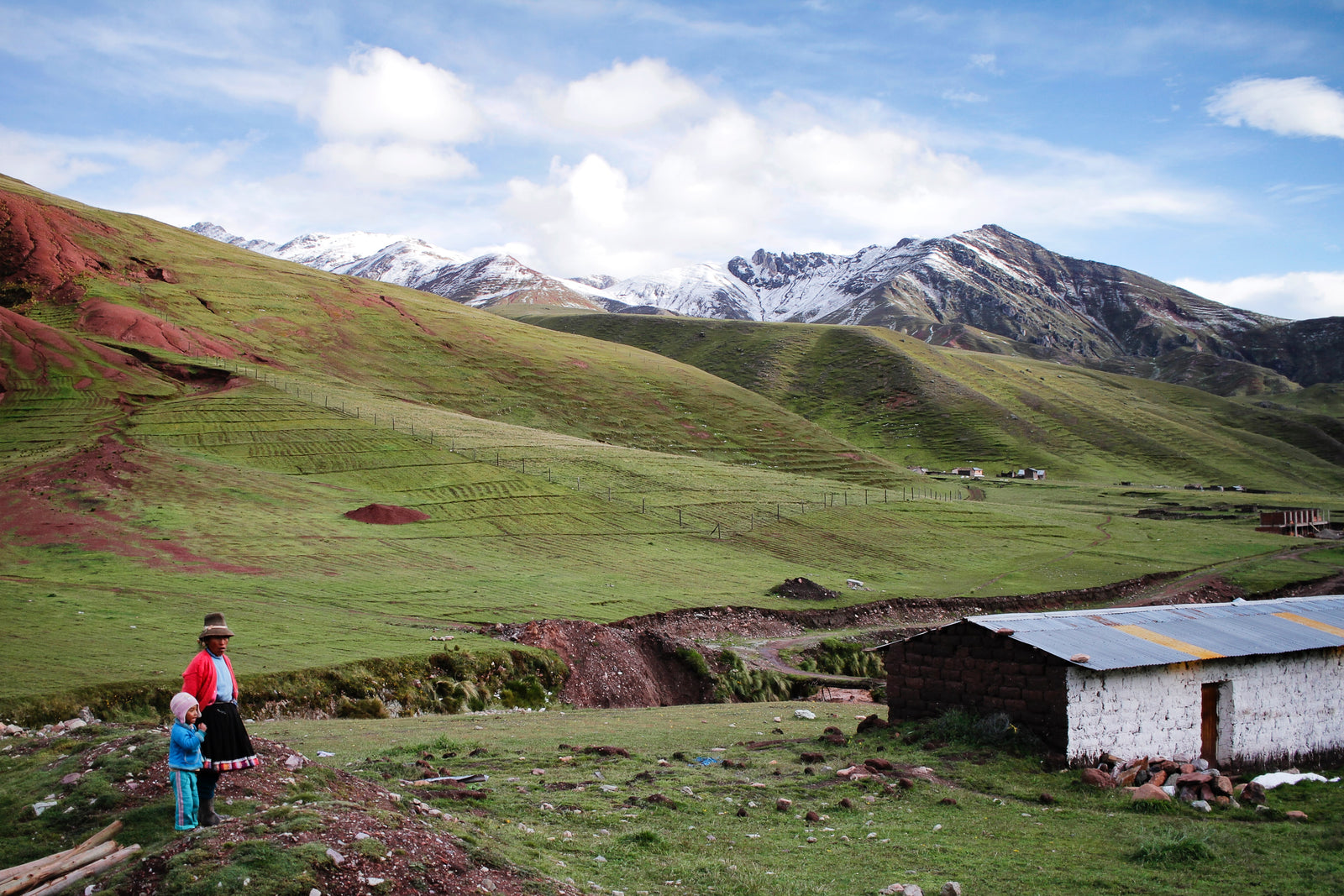
In rural communities across the producing regions, many organisations sit in a gap. Too large for microfinance. Too informal for commercial lending. The Lirio Fund, managed by NESsT, an impact investing organisation, operates within that gap.
Since 2019, it has provided flexible loans and business support across Peru, Colombia and Brazil — focused on rural livelihoods and sustainable land use in the Andes-Amazon region.
Its approach reflects how agricultural systems actually operate.
Loans are structured around harvest cycles, not fixed schedules. Working capital supports coffee purchasing and producer payments. Longer-term financing supports infrastructure — drying, storage, logistics.
Repayment aligns with reality. The impact is visible in the organisations it has supported.
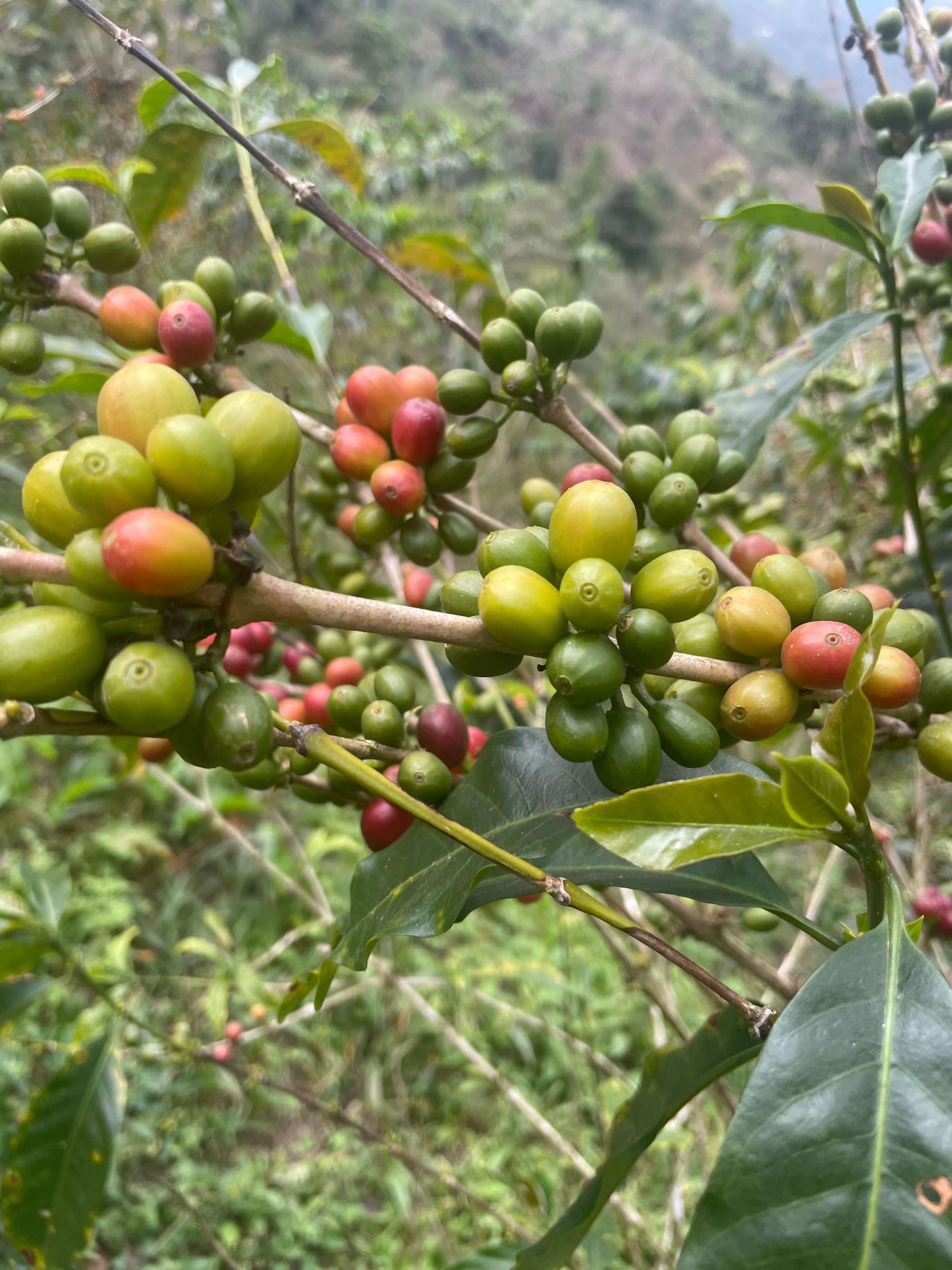
Cooperativa Santa Ana stabilised payments, built export capacity and secured international buyers. Among its members is Cirila — a coffee farmer for over thirty years, who joined the cooperative four years ago. With support to plant more resistant varietals, she now produces better yields and earns more for her family.
Cordillera Azul expanded into diversified crops for climate resilience. Finca Chorro Blanco increased procurement and expanded processing capacity, growing sales significantly. The context is evolving.
The EU Deforestation Regulation is already reshaping market access, requiring traceability systems that many organisations do not yet have. For Lirio, this is not just compliance. It is infrastructure.
Since its inception, the fund has supported dozens of enterprises across Peru, reaching thousands of producers and enabling long-term investment in both people and land.
Capital, in this context, is not a standalone solution. It works alongside organisation, knowledge and market access. As those systems strengthen, finance becomes part of how they function day to day. Access to finance stabilises a system. Access to markets changes how producers
behave within it.

Finance stabilises a system. But stability alone doesn't build one. In Tulumayo, what's taking shape goes further — a structure designed not to respond to the market, but to endure within it. Where the Lirio Fund provides the capital to keep organisations moving, Tulumayo is about what gets built when the foundations are laid with long-term intent from the start.
→ Read next: Building to last in Tulumayo