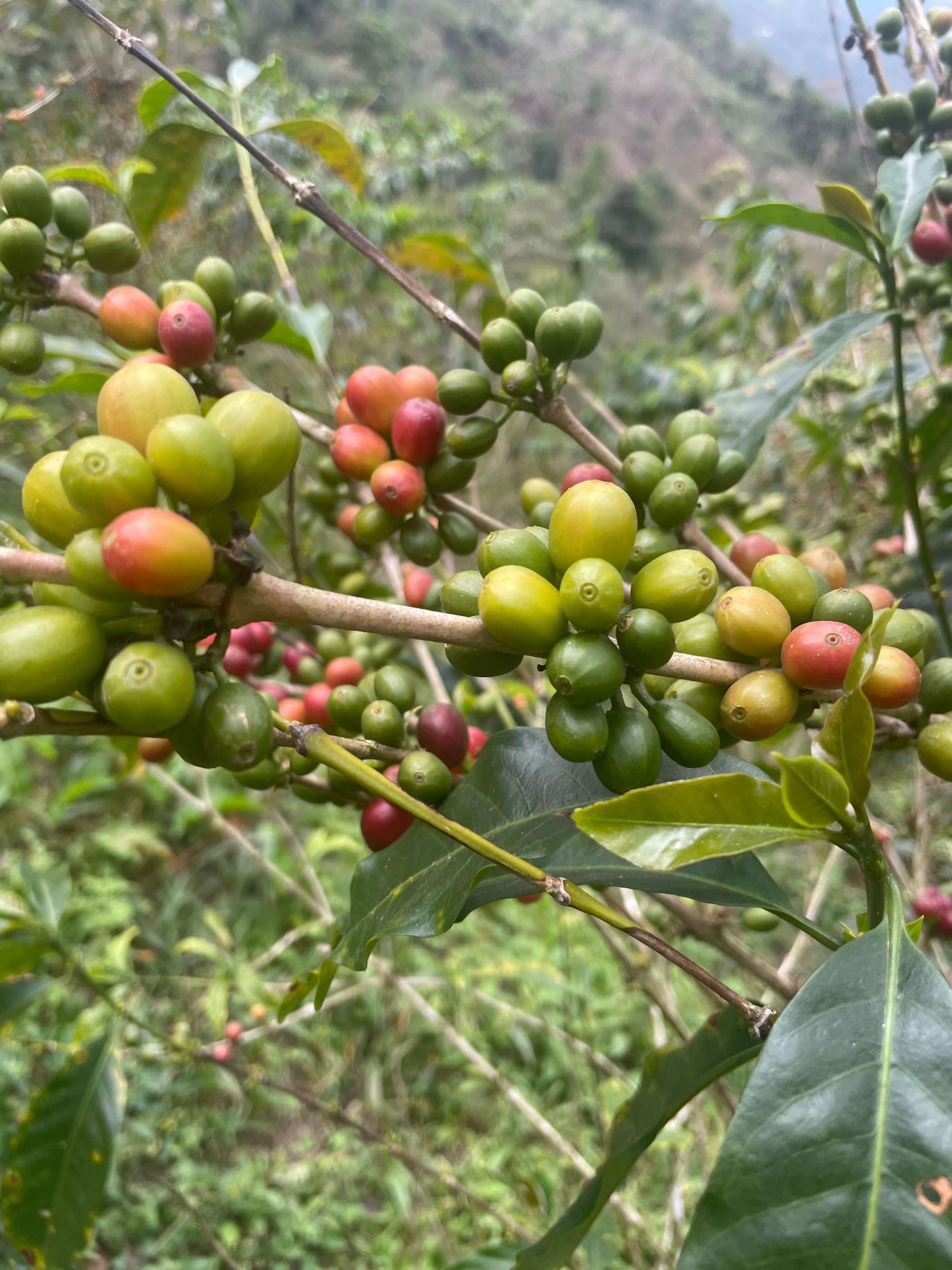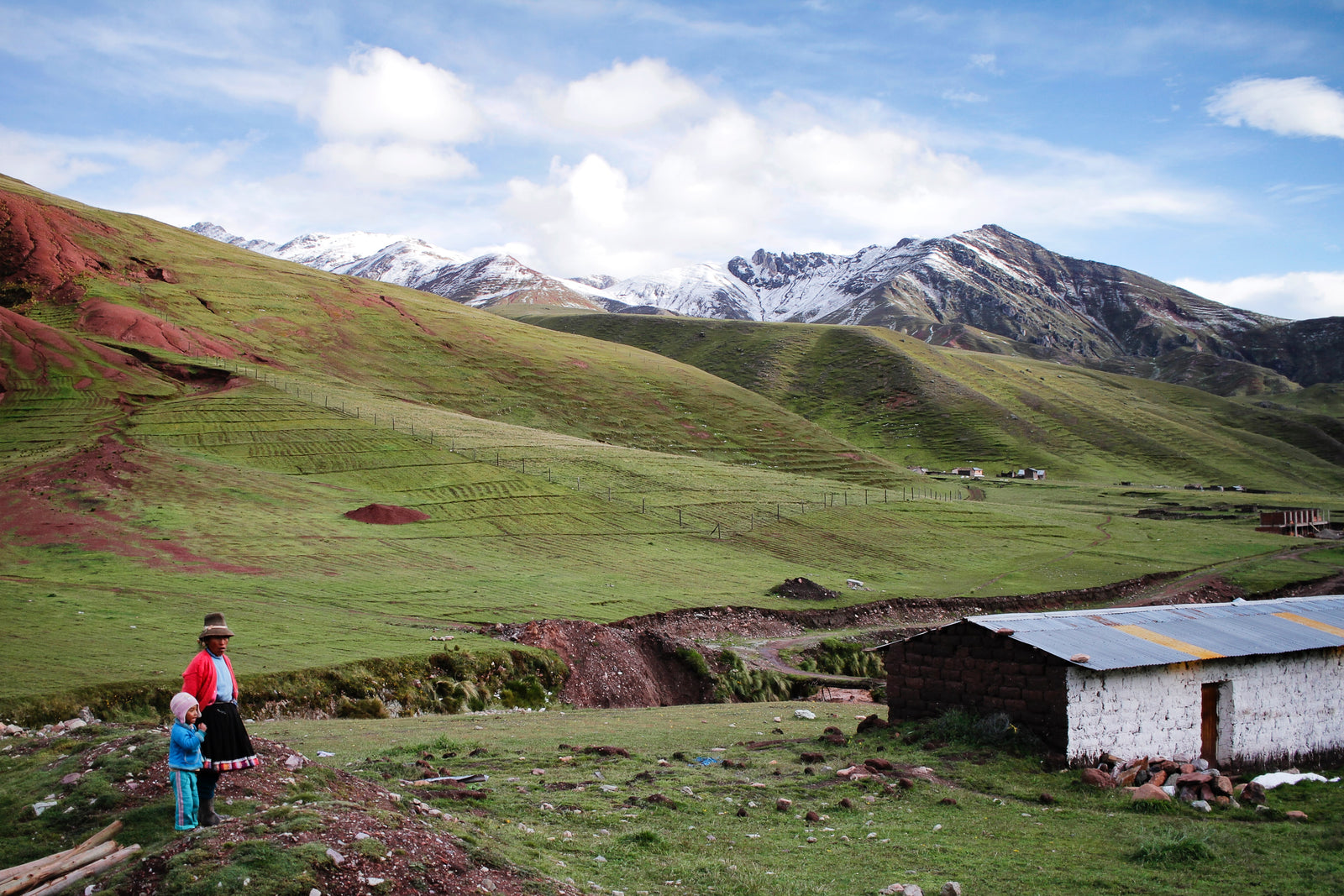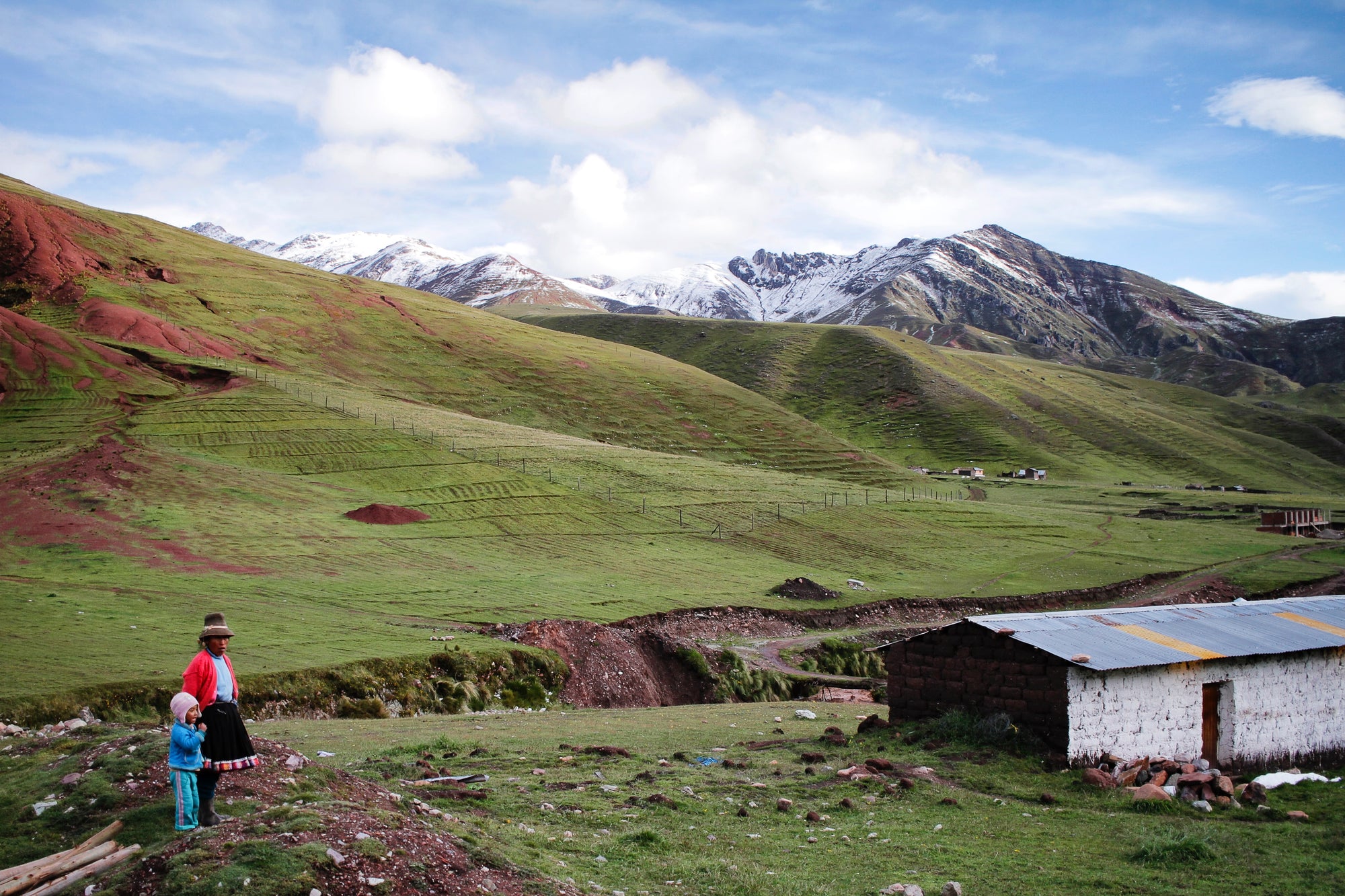



Along the Tulumayo River in Junín, coffee is organised differently. Here, the structure is not built for speed. It is built to hold.
The cooperative brings together producers across dispersed communities, many of them Quechua-speaking, each with different practices and conditions.
What defines it is not uniformity, but governance. Over time, coffee production increased, but without coordination, quality and volume did not translate into stability.
The cooperative became the response. Led by Iván Gave and formed through local communities, it allows producers to coordinate production, consolidate volume, and engage the market as a group.

Decisions are made collectively, and knowledge moves across communities. Consistency emerges — not because farms are identical, but because the system is coordinated. That coordination changes how coffee moves.
Collection is planned. Processing is organised. Sales are negotiated collectively. Producers begin to plan, rather than react.
The constraints remain. Transport is difficult. Infrastructure is uneven. Consistency is still developing. But the system holds. For buyers considering a relationship with the cooperative, Iván Gave is direct:
"A buyer who works with us consistently allows for better production planning, organised collection, and a steady flow of sales. For a small cooperative, predictability in demand is not a preference. It is what makes everything else possible."
Casharpitas, the Liberteña Cup, Lirio Fund, Tulumayo — each represents a different answer to the same question: how does a producing region build something that lasts? Knowledge, visibility, capital, coordination. The pieces are falling into place. But as Peru's systems mature, a deeper question is emerging — not just how coffee is organised, but what it actually is. A discovery in Cusco has begun to reframe how Peru understands its own varietals. And with it, how the world might come to understand Peru.
→ Read next: National Identity — Peru's varietal moment and the story of SL09